
Orthodontic Retainers to Preven Teeth Shifting
Your new smile is a big investment—and the benefits of orthodontic treatment will last a lifetime if you maintain proper retainer wear and care. Retainers are essential to help your teeth stay in their corrected positions after braces or clear aligner treatment.
Why Do Retainers Matter After Braces or Clear Aligners?
After orthodontic treatment, your teeth and surrounding bone tissue need time to stabilize in their new positions. Without a retainer, your teeth can slowly shift back toward their original alignment, undoing all the progress you’ve made.
Wearing your retainers as instructed by Dr. Mark Musgrave helps preserve your results, protect your investment, and keep your smile beautifully aligned for years to come.
What Types of Retainers are Available?
After orthodontic treatment, retainers come in two main forms, removable and fixed (bonded), each designed to help maintain your smile in different ways.
Removable Retainers
Once your braces are removed, you’ll receive a set of removable retainers to help maintain your new alignment. Because teeth can naturally shift over time, it’s recommended that retainers be worn indefinitely, with a gradual reduction in wear time:
- First 3 months: Wear full-time (except when eating or brushing).
- Next 9–12 months: Transition to half-time wear to allow teeth to stabilize and wisdom teeth to develop.
- After wisdom teeth removal: Wear your retainers at night or a few nights per week to prevent shifting due to natural muscle pressure and aging.
Dr. Musgrave will monitor your progress every 4–5 months and may take annual X-rays to assess wisdom teeth development and ensure your smile remains stable.
How to Care for Removable Retainers
Proper care keeps your retainers clean, comfortable, and long-lasting:
- Keep retainers away from heat (heaters, dishwashers, dashboards) to prevent warping.
- Store retainers in their protective case when not in use.
- Keep them away from pets, they love to chew on them!
- Clean daily with a soft toothbrush and mild liquid soap. Avoid toothpaste, which can scratch the surface.
- Soak retainers in a denture cleaner (like Efferdent) occasionally to remove plaque and tartar buildup.
- Always rinse thoroughly before placing them back in your mouth.
If your retainers become loose, broken, or lost, contact our office as soon as possible. One set of retainers is included with treatment; replacement retainers due to damage or loss may incur an additional charge.
Fixed (Bonded) Retainers
Some patients receive a permanent or bonded retainer, which consists of a thin wire attached behind the front teeth. This fixed retainer helps prevent movement, especially for patients prone to relapse.
In most cases, a bonded retainer can stay in place indefinitely. However, if your family dentist notices plaque buildup or gum irritation around it, the wire may need to be removed and replaced with a removable retainer.
Your dentist should check the bonded wire at every six-month cleaning to ensure it remains secure and clean.
Clear Retainer
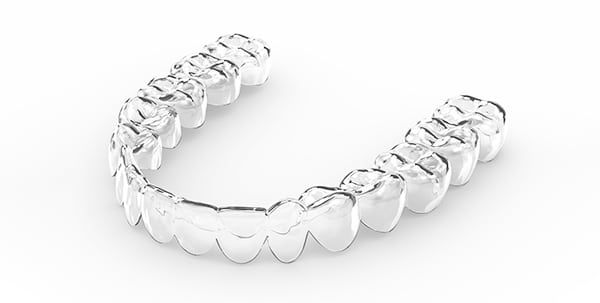
Fixed Retainer

Habits That May Require Stronger Retention
Some habits and conditions make long-term retainer wear even more important:
- Mouth breathing
- Clenching or grinding teeth
- Tongue thrusting or low tongue posture
- Playing a reed instrument
- Lip sucking or nail biting
- Gaps or spacing before treatment
- Severely rotated teeth
These factors can increase pressure on your teeth, making consistent retainer wear essential for maintaining alignment.
Keep Up with Dental Exams
Continue brushing and flossing thoroughly every day and visit your family dentist at least every six months for professional cleanings and exams.
Your cooperation and commitment to wearing your retainers will help ensure your smile stays healthy, straight, and beautiful, for life.
